Policy Agenda
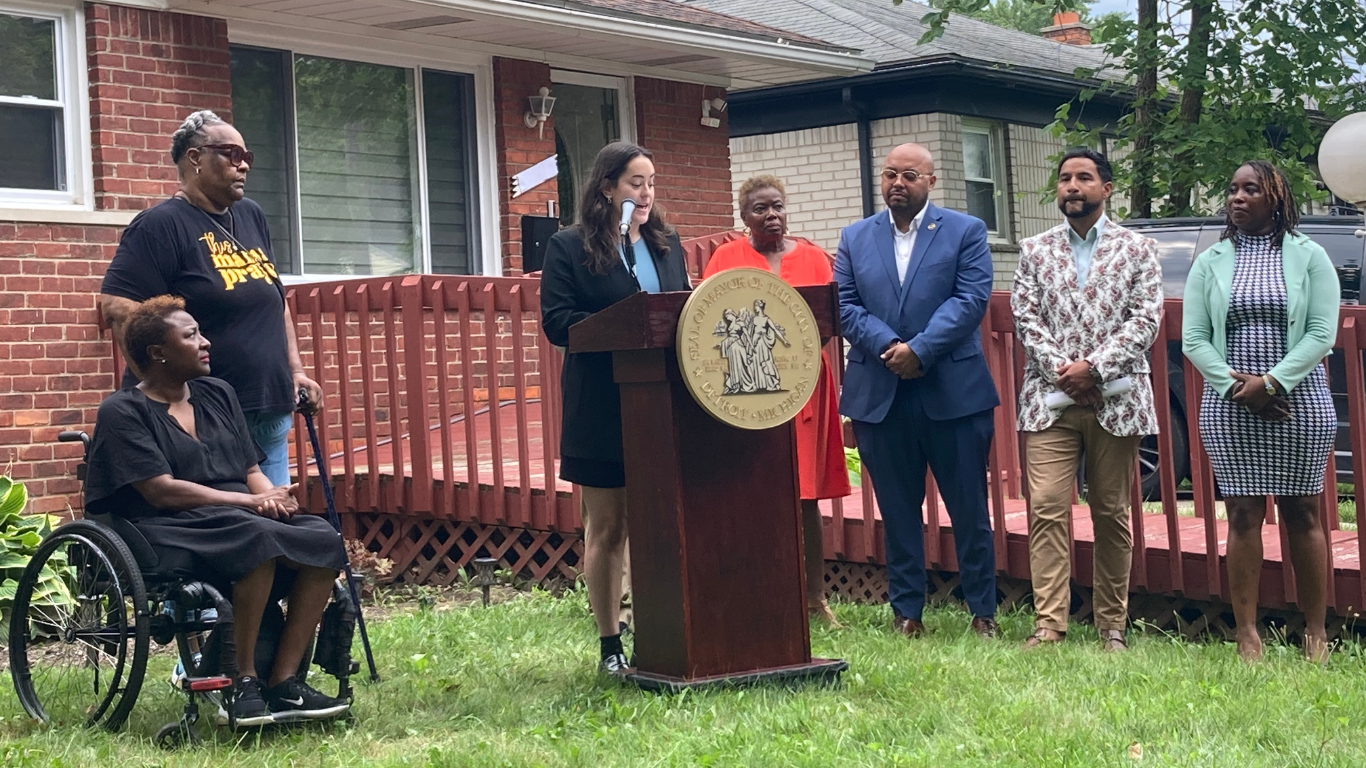
DDP Champions Affordable Accessible Housing
Current Reality: Under 4% of U.S. homes are accessible, while 15% of households include disabled residents. The affordable housing shortage further limits options.
Our Vision: People with disabilities deserve housing that is accessible, affordable, and integrated within thriving communities.
We Advocate For:
Increasing development of accessible housing in integrated neighborhoods
Expanding the Detroit Home Accessibility Program and other repair/modification funding
Maintaining updated public data on accessible affordable housing
Enhancing homebuyer assistance for elders and disabled residents
Creating sustainable rental assistance programs
Fully implementing Detroit's Right to Counsel Ordinance for eviction protection
Promoting equitable Transit Oriented Development (TOD)
Establishing resident protections during prolonged elevator outages
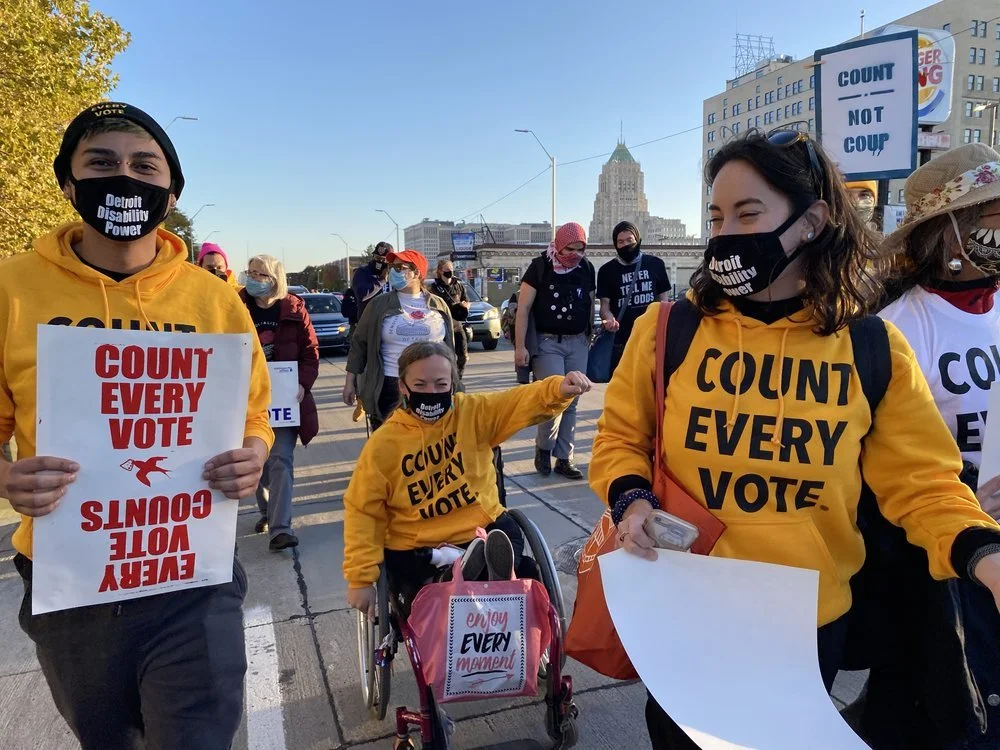
DDP Champions Accessible Voting
Current Reality: 30.4% of voting-age Michiganders have disabilities, yet DDP audits found only 13% of polling locations fully accessible.
Our Vision: Voters with disabilities deserve equitable access to cast ballots privately and independently.
We Advocate For:
Standardizing curbside voting at all polling locations
Creating grants for accessibility upgrades to polling places
Requiring user testing of voting systems by people with diverse disabilities
Providing voting materials in multiple accessible formats (large print, Braille, audio, plain language)
Mandating multilingual voting materials and assistance
Enhancing accessibility training for election officials
Recruiting poll workers from the disability community
Funding independent monitoring of polling place accessibility
Creating accessible voter education websites and resources
Creating standardized accessibility protocols and checklists for election workers
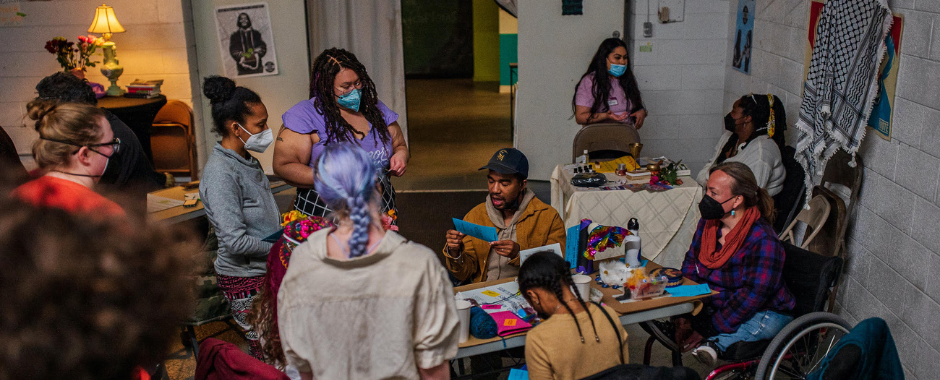
DDP Champions Community Care Infrastructure
Current Reality: There is insufficient funding for Home & Community-based Services (HCBS), direct care professionals receive inadequate wages, and institutionalized settings present health risks and limit disabled people’s civil rights to live and receive care in the setting of their choice.
Our Vision: Everyone deserves access to the full range of supports needed to live safely at home and connect with their communities.
We Advocate For:
Increasing HCBS funding at all government levels
Expanding accessible home care program options
Creating a comprehensive web-based system for options counseling
Improving wages and benefits for direct care professionals
Standardizing training/certification for care professionals
Ensuring benefits follow individuals transitioning to community-based housing
Expanding Community Transition Services (CTS)
Supporting family caregivers with respite services
Preventing healthcare discrimination against disabled residents
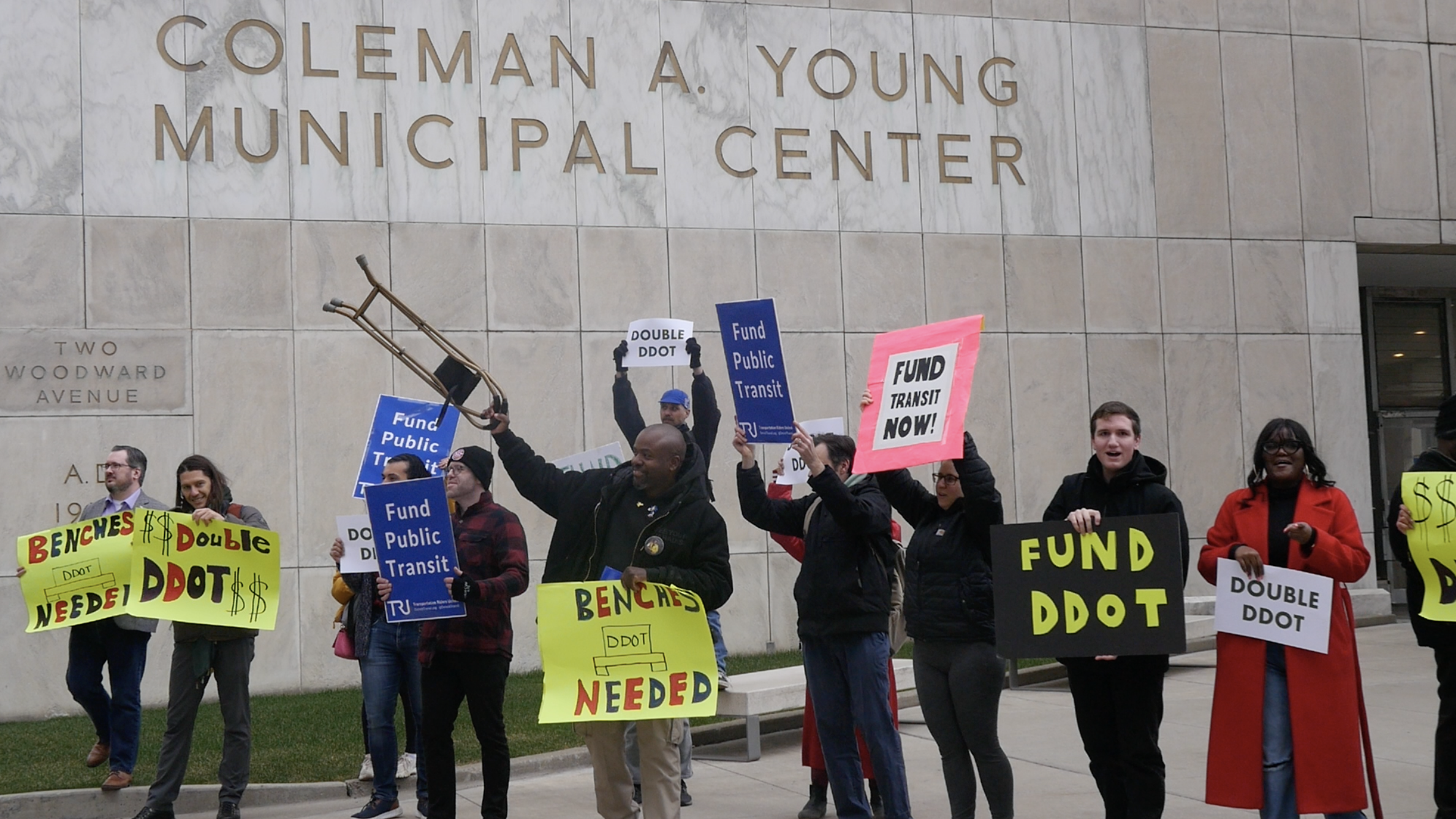
DDP Champions Affordable & Accessible Public Transit
Current Reality: One-third of Detroit households lack access to a car, and the Detroit region invests less in transit per capita than any major U.S. metro area. Riders face long waits, inconsistent service, and insufficient evening and weekend options. Disabled riders encounter additional barriers with paratransit limitations and inaccessible infrastructure.
Our Vision: A reliable, accessible public transit system that connects all residents to jobs, healthcare, food, and community, with particular attention to the needs of disabled riders.
We Advocate For:
Doubling DDOT bus service through full implementation of the DDOT Reimagined plan by 2030
Improving paratransit with same-day reservations and seamless regional service without transfers
Ensuring competitive wages for transit workers to reduce turnover and improve service
Making 100% of Detroit's sidewalks and bus stops accessible with landing pads, curb cuts, and shelters
Supporting countywide transit funding through Wayne County's ballot measure
Building regional and state support for transit investment
Ensuring consistent, effective DDOT leadership
Prioritizing safety for pedestrians, transit users, and cyclists in street design
Advancing transit-supportive land use with higher-density, mixed-use development along transit routes
Policies We Oppose
We firmly oppose any policies that reduce services, add barriers, or diminish the rights and autonomy of disabled people, including:
Cuts to Medicaid, especially work requirements that restrict access to essential healthcare for people who cannot work or find accessible employment
Reductions in Home & Community-based Services (HCBS) funding that force disabled people into institutions rather than allowing them to live independently
Decreases to Section 8 and affordable housing programs that worsen the crisis of accessible, affordable housing
Cuts to Community Development Block Grants (CDBG), HOME, CDFI, and LIHEAP that provide vital community infrastructure, housing assistance, and energy support that many disabled people depend on to maintain safe homes
Reductions in public transit funding that limit mobility and community access for disabled people who cannot drive
Restrictions to SSI/SSDI benefits that push disabled people deeper into poverty and create additional bureaucratic barriers to receiving needed income support
Autism and disability-related registries that operate without consent from disabled people, violating privacy and autonomy while potentially enabling discrimination